

Our services
Plastic thermoforming & vacuum forming
Thermoforming shapes a heated plastic sheet over a mould. It is the most economical way to make large, thin-walled parts such as covers, housings, trays and panels, with tooling far cheaper than an injection mould.
- Vacuum & pressure forming
- Large thin-walled parts
- ABS, PS, PETG, PC, PMMA, PP, HDPE…
- CNC trimming, painting, assembly
- Technologies
- Vacuum forming, pressure forming
- Quantities
- From prototypes to series
- Factory-direct
- Manufacturing in Europe · Manufacturing in China
How thermoforming works
-
01
Mould
A mould in resin or wood for prototypes, in aluminium for series.
-
02
Heating & forming
The sheet is heated, then drawn onto the mould by vacuum or compressed air.
-
03
Trimming
Edges and openings are trimmed by CNC routing.
-
04
Finishing
Painting, screen printing, inserts and assembly as needed.
Why choose thermoforming?
Low tooling cost
Moulds cost far less than injection tooling and are ready sooner.
Large parts
Big covers and panels made in one piece.
Quick start
First parts come fast: ideal for small series and market tests.
Light and stiff
Thin walls with good rigidity.
Many finishes
Textured sheets, colours, painting and screen printing.
Materials
- Standard
- ABS, HIPS, PS, PETG, PP, HDPE
- Engineering
- PC, PMMA (transparent), ABS-PMMA, flame-retardant grades (UL94 V0)…
Examples of parts
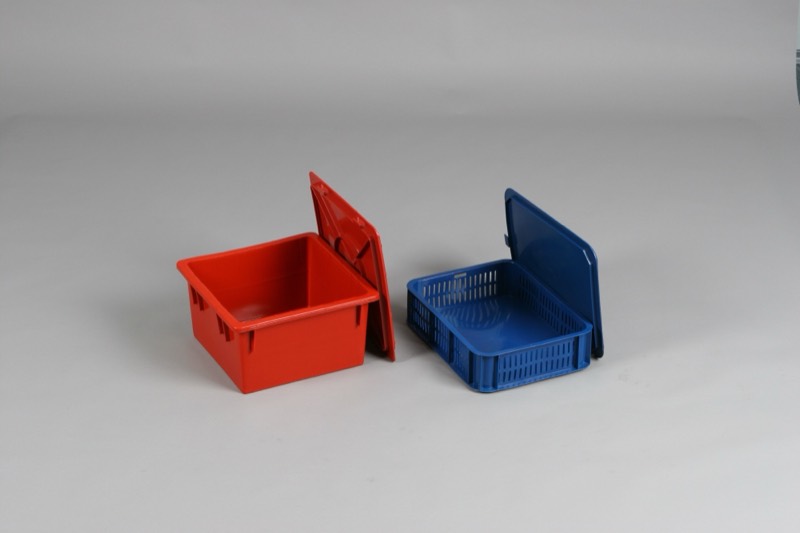
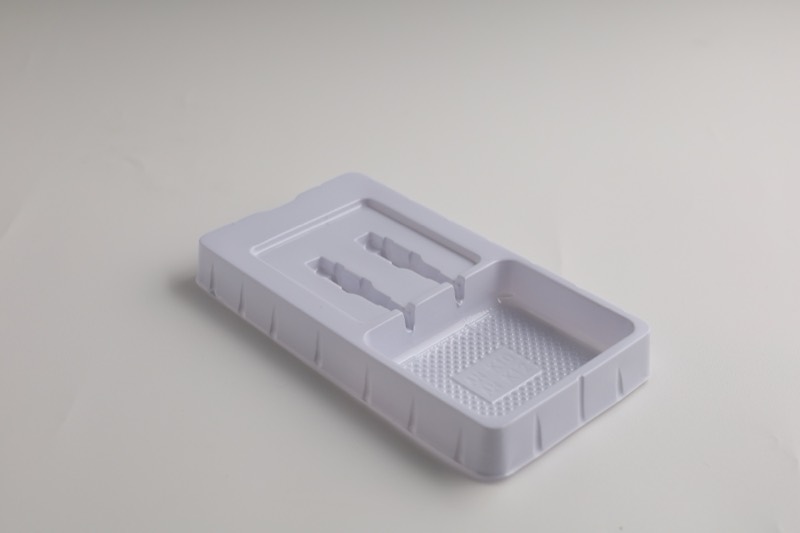
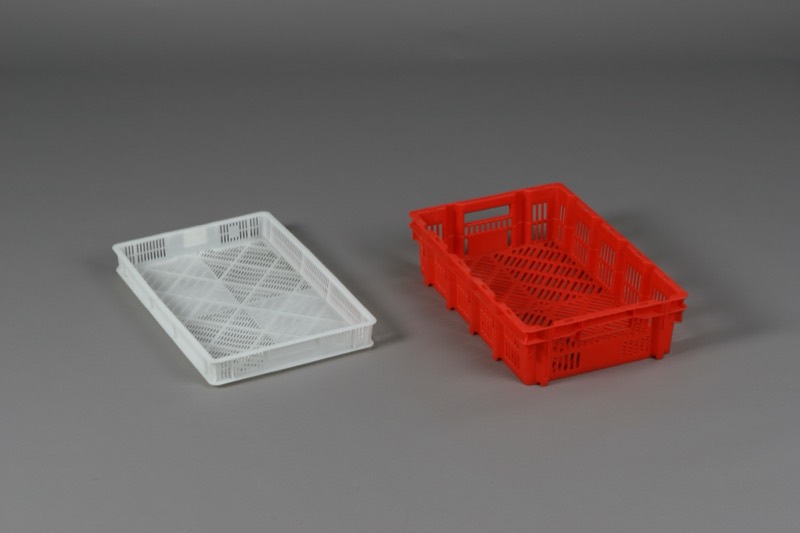
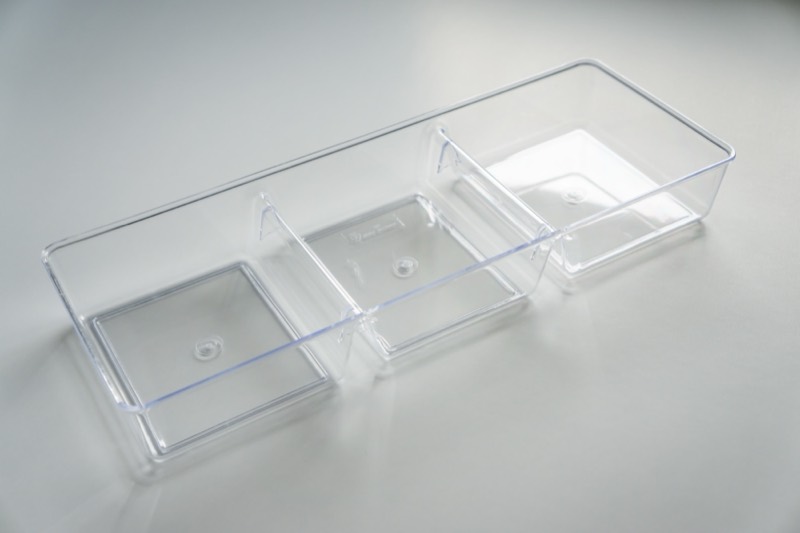
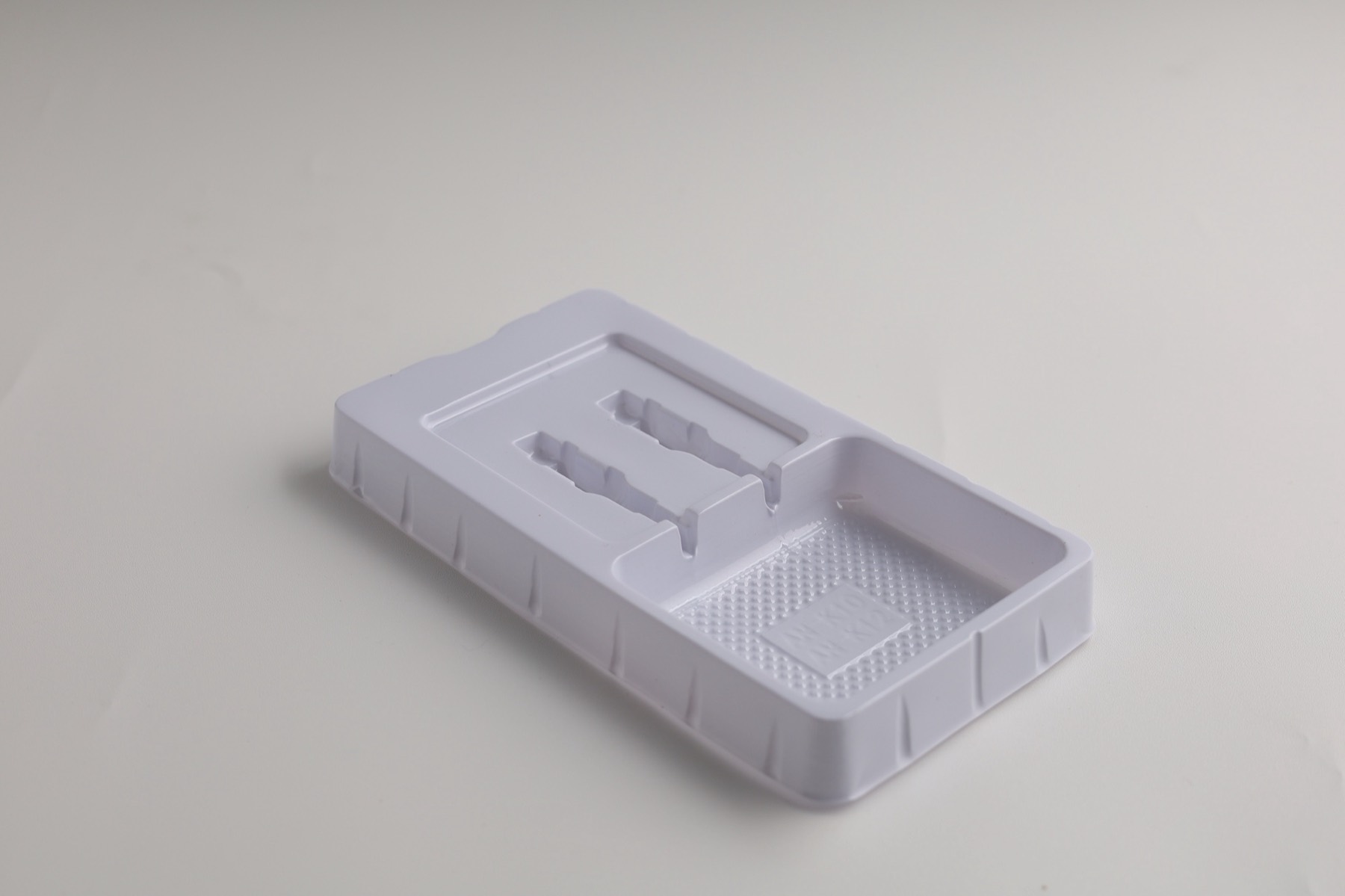
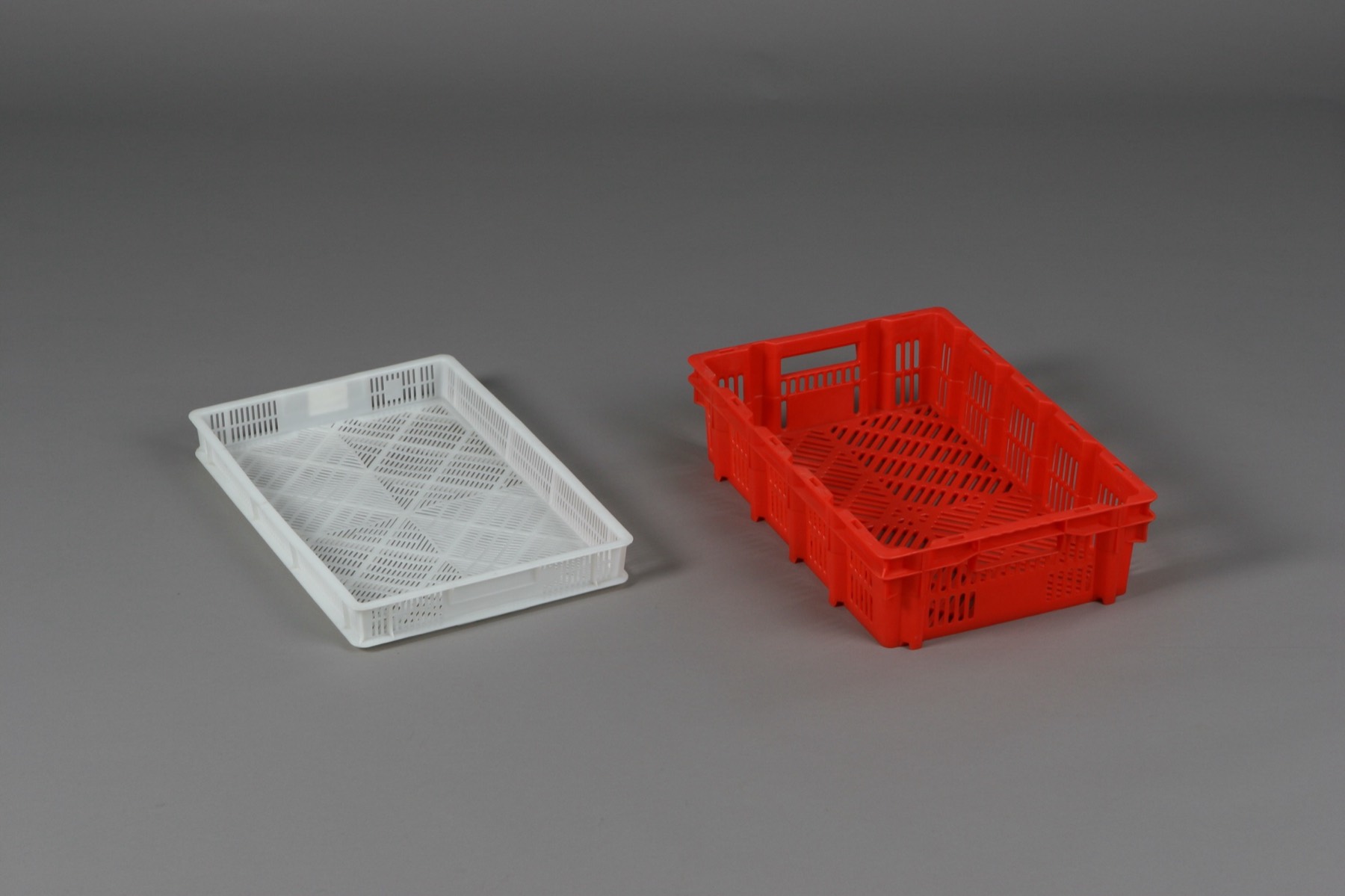
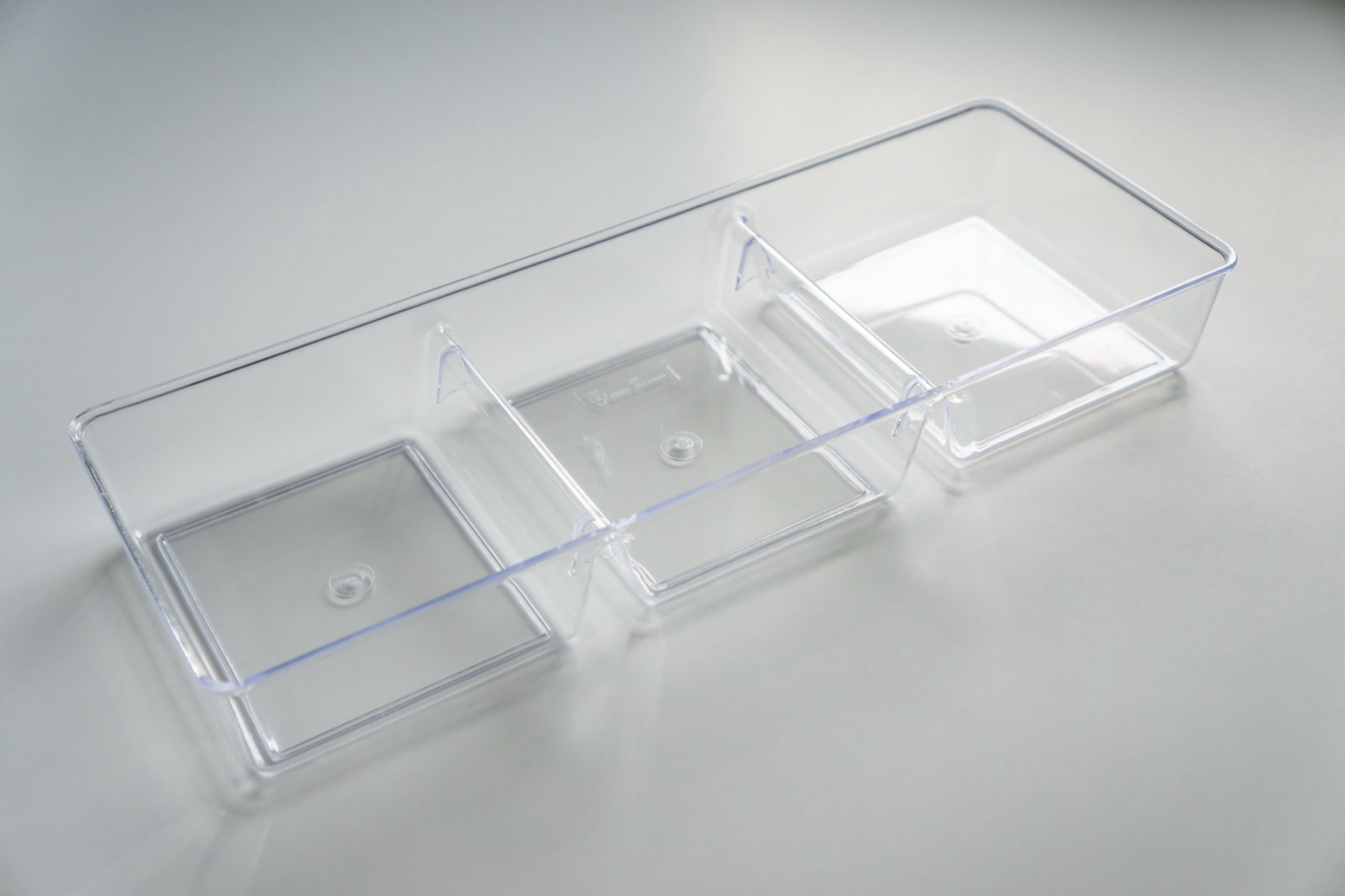
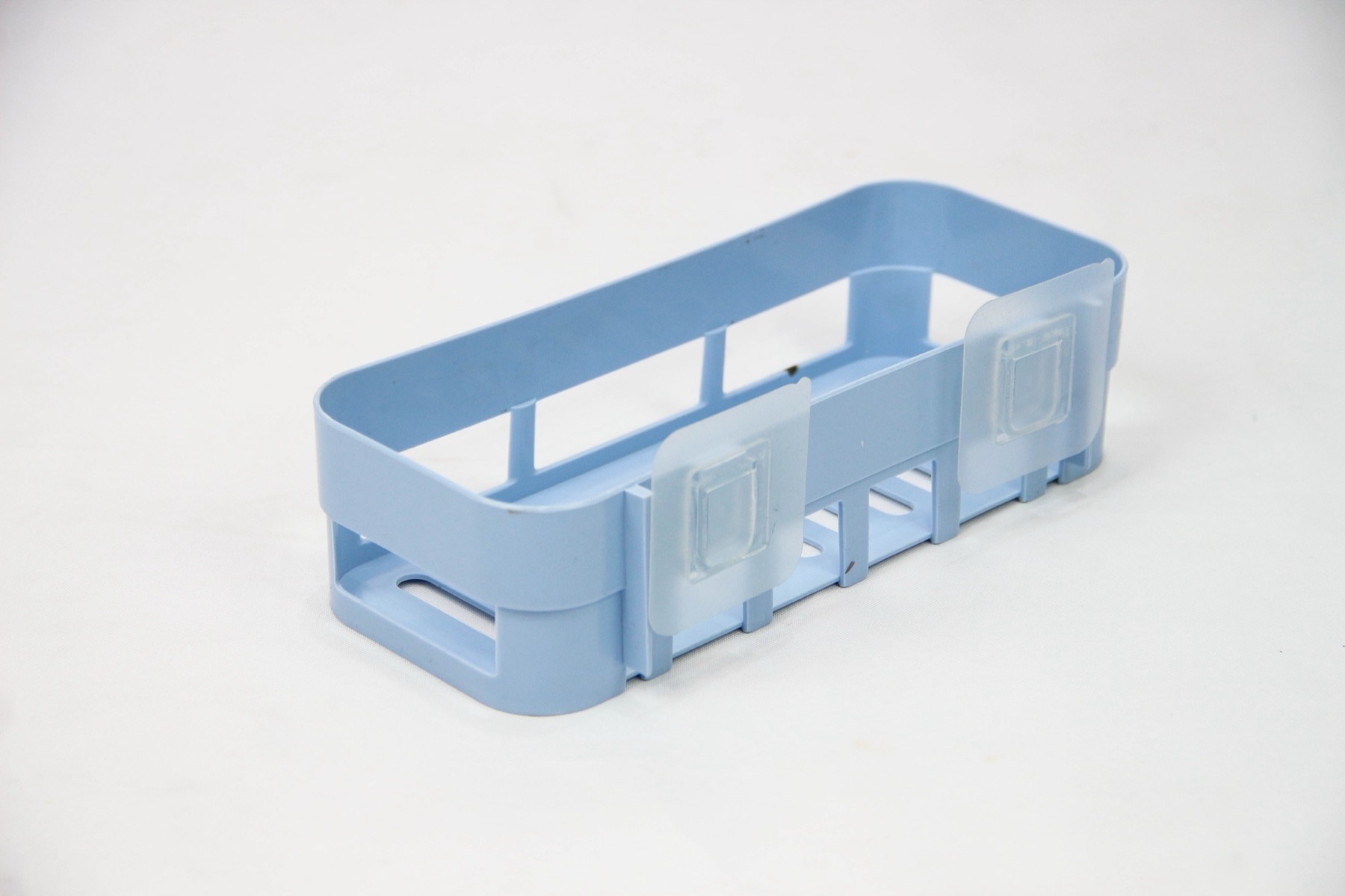
Parts photographed during quality control in our partner factories.
FAQ
Frequently asked questions
Which parts are made by thermoforming?
Covers, housings, machine guards, trays, panels and protective shells: large parts with fairly even wall thickness.
When should I choose thermoforming rather than injection moulding?
For large parts, small and medium series, or when the tooling budget is limited. Injection moulding becomes more economical for very high volumes or for small, detailed parts with ribs and bosses.
What is the difference between vacuum forming and pressure forming?
Vacuum forming draws the sheet onto the mould by suction. Pressure forming adds compressed air for sharper details and textures, closer to an injection-moulded look.
Can the parts be trimmed, painted or assembled?
Yes. Edges and openings are CNC-trimmed, and parts can be painted, screen printed, fitted with inserts or assembled.
How long does thermoforming take?
It mainly depends on the mould: a resin or wood prototype mould is quicker to make than an aluminium series mould. Your quote gives the exact lead time.
How quickly will I receive my quote?
Within 24 hours on working days. Send us your files with the quantity and material, and you receive a free, factory-direct quote.
Direct from the factory, in Europe & China
No middlemen: you work with our engineers, and we work directly with certified factories. Better prices, full traceability and quality checked before shipment.
- No middlemen
- Certified factories under NDA
- Quality control before shipment
- Door-to-door delivery
Other services
Have a project in mind?
Send us your drawings or 3D files. You receive a free, factory-direct quote within 24 hours.
or email us at contact@innoproduct-world.com